

WHO QUALIFIES?
You have to be a registered NND Status or Beneficiary, and you can be employed or unemployed. A copy of your status card for proof or a letter of enrollment, as a FNNND Beneficiary, must be provided with your application.
To be eligible for funding under the First Nation of Na-Cho Nyak Dun Post- Secondary Funding Policy, a student must meet all of the following criteria:
2.1.1. Be a registered citizen of the First Nation of Na-Cho Nyak Dun and not registered as a citizen of another Yukon First Nation or a member of an Indian Band in Canada. (Ref: FNNND Final Agreement, Chapter 3, sect 3.2.5); and
2.1.2. Be accepted into an approved course of study; and
2.1.3. Be a student in good standing as defined by this policy; and
2.1.4 Have submitted all required forms and supporting documents.
HOW TO APPLY
You can apply in person, or contact us by e-mail, you can get an application from our office. For information, please contact our office. You will be notified within 3 to 5 days of your receipt, whether your application has been approved or denied.
YOU WILL NEED THE FOLLOWING
Application form for NND Post Secondary Education or Application Form for Community Training;
Copy of your Status card or verification from NND Enrollment Department;
A letter of acceptance from your education institution;
The latest transcript is required with Application;
Program outline of the courses, you would like to take; and
All your personal information is needed; all files are kept confidential.
If you have an email address, we can email forms to you, or you can download the form here
Supports:
Applications must be submitted a week before the event. Receipts, registration, or proof must be submitted with the application. Application intake starts in annually in July and ends in October.
Personal intake forms must be completed before accessing funding.
NND Post Secondary Education/ISETS Coordinator is responsible for student applications, community training and ensures that all documentation is included. Requests are forwarded to the Manager for review and then monthly allocation set out in the NND Education Policy. Every August the applications for school supplies is available on NND website; this is a subsidy for parents to assist with supplies. The PSE. ISETS Coordinator processes requests from high school graduates and post-secondary students for funding and reports monthly to Education Manager. The PSE. ISETS Coordinator has to liaise with HRDC, Social Assistance, Finance and Personnel Officer.
The Post Secondary Program is governed by Post Secondary Education Policy, adopted June 17, 2008, and by the NND Constitution.
You can contact the ISETS Coordinator at:
Phone: (867) 996-2265 Ext. 116
Fax: (867) 996-2028
E-mail: pse.asets@nndfn.com
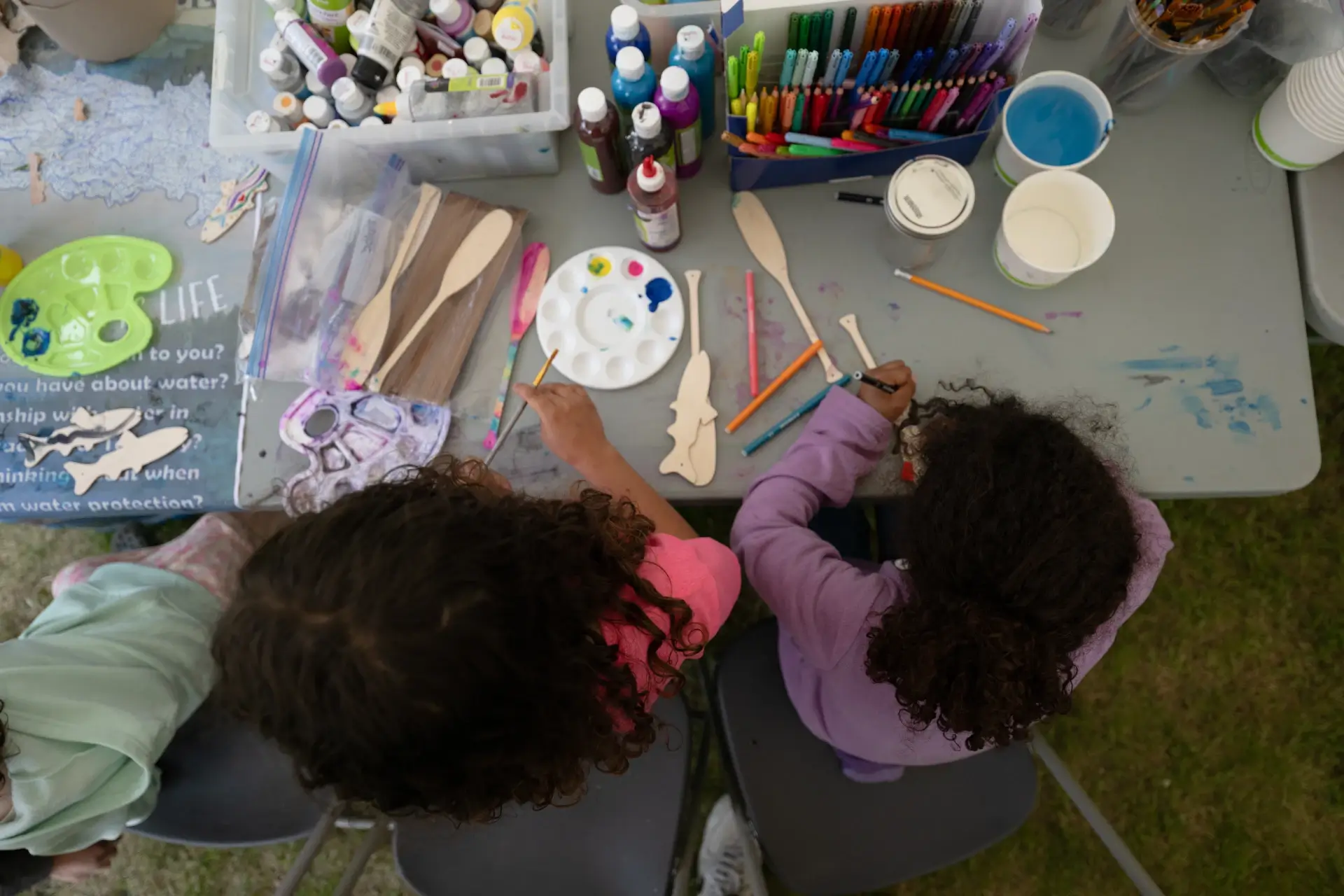
The Education Advocate is responsible for liaisoning between JVC Administrator and JVC teachers, NND parents and the First Nation Education Director. Assisting teachers with cultural activities and forms. Attend meetings concerning students and parents. Informing the Education Manager of any policy changes within JVC. Coordinate yearly events on behalf of the NND Education Dept. Assist school staff with parent/teacher interviews. Ensure that the Education Department has stats and enrollment list for students for NND for school supplies. They also provide food for learning, snacks for the students at JVC.
If you have any concerns about your child’s education, please contact the teacher first, if you are not content with the results, contact the Principal, and then the school council.
You can contact the Education Advocate at:
Phone: (867) 996-2692
E-mail: esw@nndfn.com
The Yukon First Nation Education Advisory Committee meets four times a year to go over Education issues for students in K4 to grade 12, they have currently developed a Grade 5 Governance Manual and have started a pilot project, First Nations 12 is also being done this year. The First Nations curriculum has been working on developing booklets that reflect First Nation citizens and culture. A new document has been developed on Students succeeding and accomplishing their dreams. This will assist the Department of Education in moving forward and includes the First Nations as part of the process. We would like to have more elders work with us to work in school and on cultural activities. If you’re interested in attending any meetings, please let us know. Mussi Cho
You can contact the Manager of Education:
Phone: (867) 996-2265, Ext. 120
Fax: (867) 996-2028
Email: educationmgr@nndfn.com