

The Lands and Resources Department’s mandate arises from the First Nation Final and Self-Government Agreements of 1993 and subsequent policy development. In 2000, the department developed a mission statement and principles for departmental operations, which remain in effect.
Principles of Departmental Operation
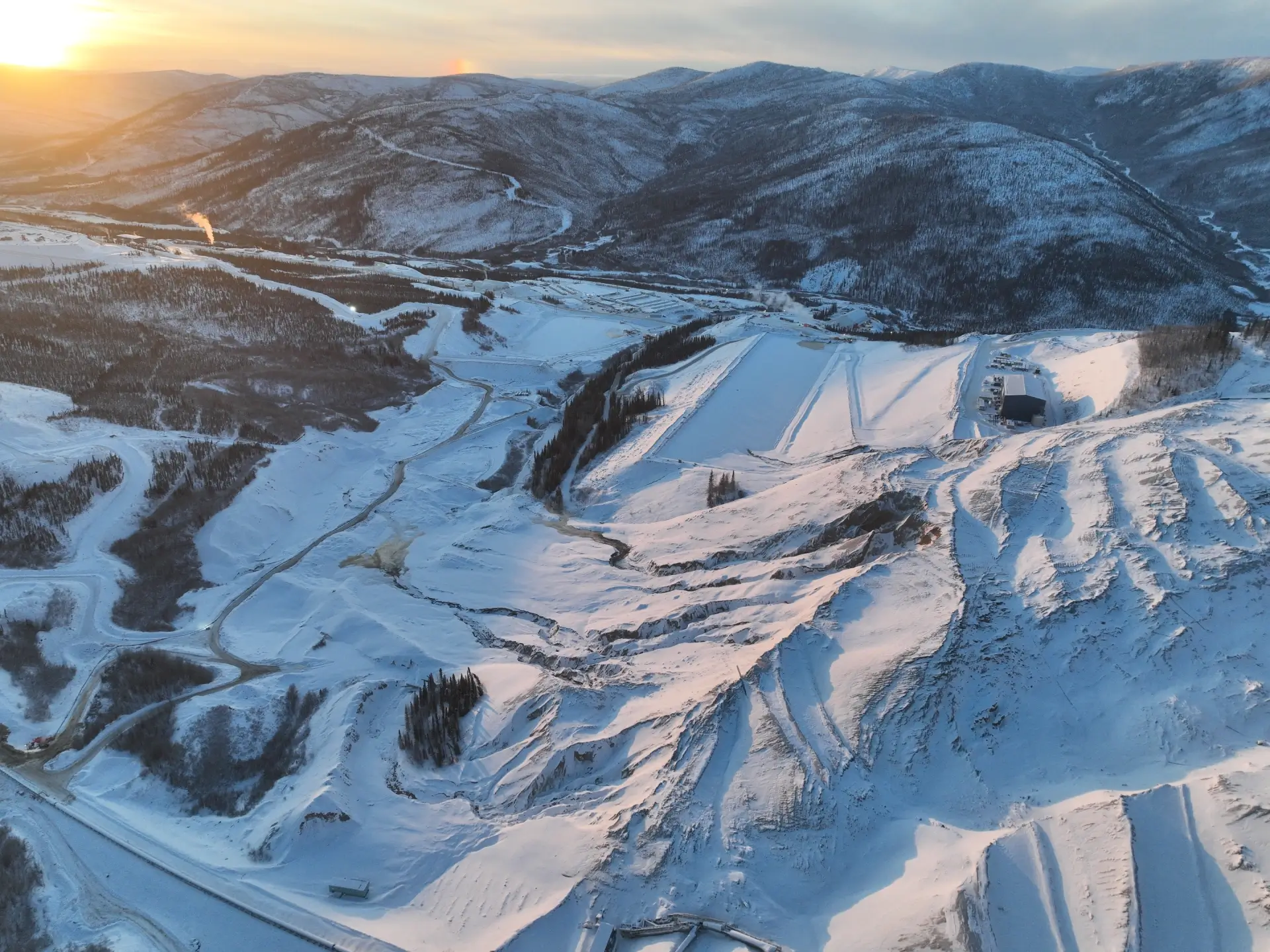
The Eagle Gold Mine disaster is an ongoing crisis that the First Nation of Na-Cho Nyäk Dun continues to actively respond to. For more information on site conditions, the history of mining on our Traditional Territory, and our calls to action, please visit: https://emergency-response.nndfn.com/
FNNND supports sustainable development on our Traditional Territory only when it is founded in the Nation’s ancient principles of reciprocity, respect for FNNND’s rights and interests, and consistent with FNNND’s traditional ways of living.
This policy was developed in 2024 to inform Proponents exactly how FNNND makes decisions and on what terms.
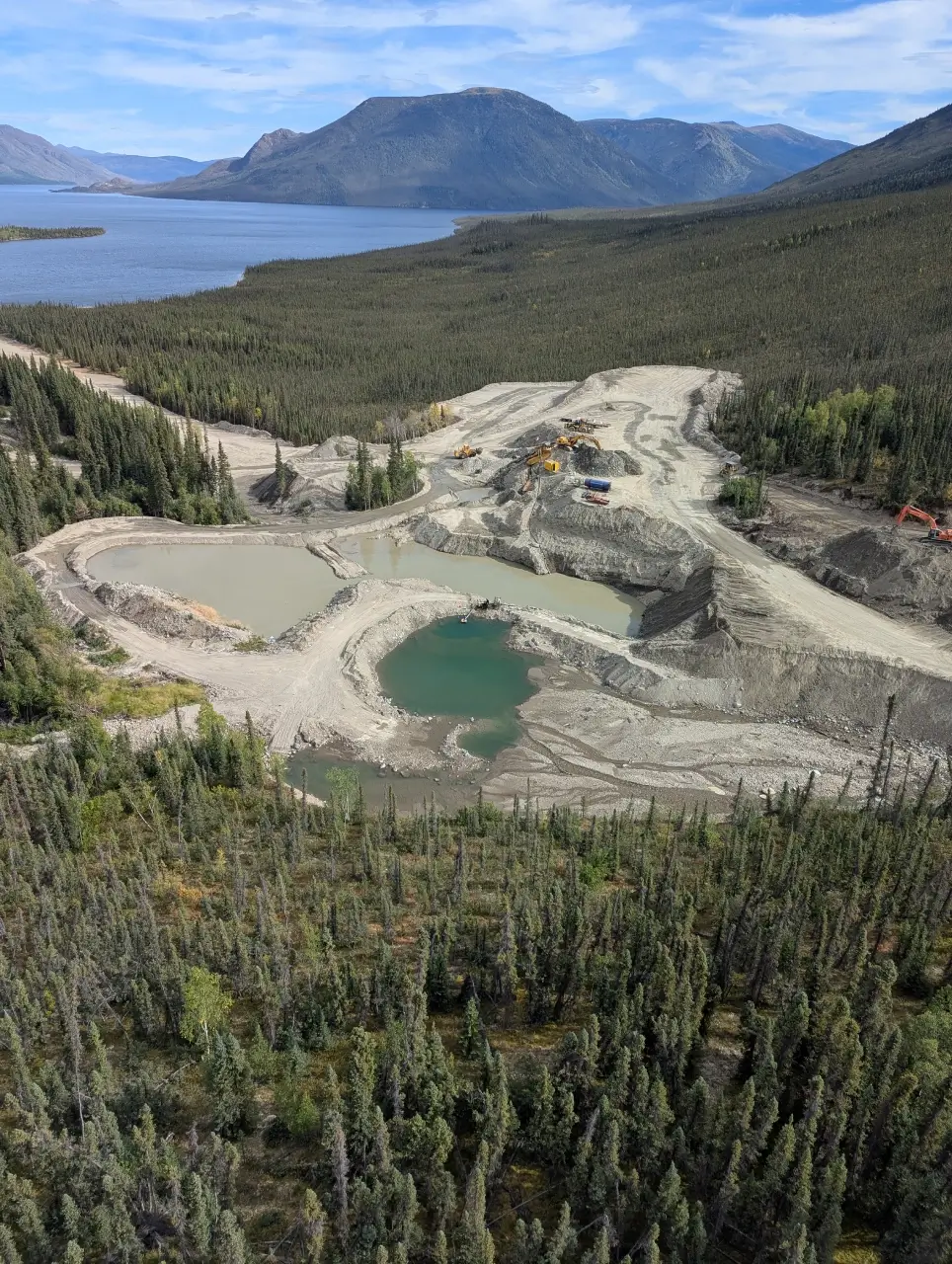
The Lands and Resources Department wishes to keep citizens informed and facilitate communication about proposed and approved projects and developments in the Traditional Territory.
This page provides information about projects going through the Yukon Environmental and Socioeconomic Assessment Board (YESAB). Please contact the Lands and Resources Department (in person or email lauren.baranik@nndfn.com) if you have information on any of the following questions:
The Lands and Resources department works hard to comment on every proposed development in the Traditional Territory. Click the links below to see the types of comments we include in each watershed:
Proponents, the people or companies that want to mine in an area, submit an application to YESAB, which does impact assessments and recommends changes to projects. YESAB does not issue development permits, but their assessments are a key step in mining review. They consider environmental and social values and give the public a chance to share their opinion on the effects of mining in the region. There is a YESAB office in Mayo responsible for assessments in the Traditional Territory.
Once an assessment is complete, YESAB issues a recommendation of whether a project should or should not go ahead, to the Decision Body, which is typically the Yukon government. When proposed projects are on Settlement Lands, the First Nation is the Decision Body.
YESAB has a 2-week window for commenting on proposed projects. Citizens may comment on projects by contacting our Lands and Resources Department or submitting an individual comment through the YESAB Online Registry. Commenting on proposed projects is a strong way to have your concerns heard at the early stages of the project design. Don’t be discouraged if a project you comment on goes ahead; YESAB recommends over 95% of projects proceed but can add terms and conditions based on public feedback too. Your opinion is important to the Lands and Resources Department.
WHERE TO FIND YESAB DOCUMENTS in the YESAB Online Registry:
There is an advanced filters feature located above the left project column near the map.
Once you have found a project of interest, click on it and browse project documents:
YESAB makes recommendations that are accepted or rejected by whoever issues the mining land use permit. If YESAB recommends that a project go ahead and that recommendation is accepted by Yukon government, proponents must apply for a water license with the Yukon Water Board.